
before you fund it.
- Overview sessions — get a deep understanding of how the business works
- Reports — detailed research and analysis on market, regulations, technical and financial aspects
- Location analysis — find the right location for your plant with deep data analysis across 4,000+ industrial areas
- RFQ tool — compare vendor quotes, find the missing points, and filter the right one for you
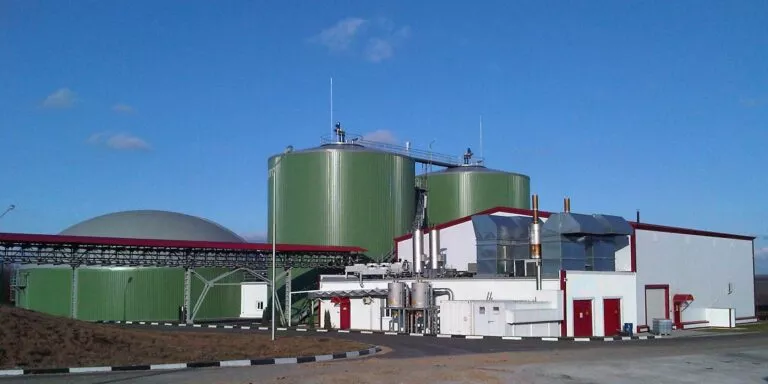
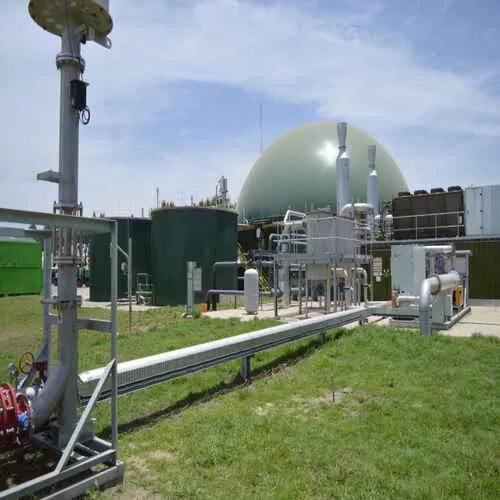
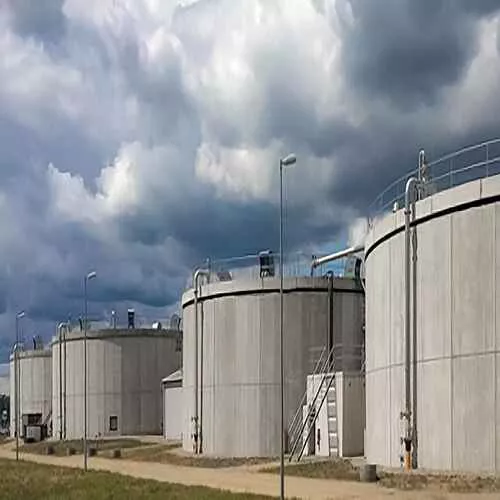
EPC of BioCNG Projects
SAMAY PROJECT SERVICES PRIVATE LIMITEDSamay takes up total turnkey engineering and execution of BioCNG Projects. Right from identification of suitable feedstock and arranging mechanized harvesters, engineering, procurement, construction of the BioCNG plant, ensuring clear marketing arrangements for the BioCNG, Samay takes up total responsibility for the project from concept to commissioning. Samay can also take up operation and maintenance of the plant. Samay has identified multiple locations with assured availability of feedstock for the BioCNG projects.
BioCNG differs from natural gas in that it is a renewable energy source produced biologically through anaerobic digestion rather than a fossil fuel produced by geological processes. Biogas is primarily composed of methane, carbon dioxide, and trace amounts of nitrogen, hydrogen sulphide and ammonia. The precise composition of biogas depends on the type of feedstock and the production pathway; these include the following main technologies:
Biogas contains about 55-65 % of methane, 35- 44 % of carbon dioxide and traces of other gases, such as Hydrogen Sulphide, Nitrogen and Ammonia. Biogas, in its raw form, that is without any purification can be used as clean cooking fuel like LPG, lighting, motive power and generation of electricity Further, Biogas can be purified and upgraded up to 98% purity of methane content to make it suitable to be used as a green and clean fuel for transportation or filling in cylinders at high pressure of 250 bar or so and called as Compressed Bio-Gas (CBG) or Biomethane.
Biomethane has an LHV of around 36 MJ/m3. It is indistinguishable from natural gas and so can be used without the need for any changes in transmission and distribution infrastructure or end-user equipment, and is fully compatible for use in natural gas vehicles.
Multiple feedstock options such as Napier, Press-mud, Paddy Straw and Cow manure can be integrated in the facility to ensure availability of adequate quantity of feedstock required for the BioCNG generation.
